

Why "the best position" is the wrong question
Every "best sex position" list implies there's one universal winner, but the honest answer is that the best position is whichever one matches what you're both looking for on a given night — and that changes. A better question is: intimacy, intensity, or comfort — which one matters most right now? Here's how the common positions sort against each.
Best for intimacy
Face-to-face contact, slower pacing, and easy eye contact define this group. These are the positions to reach for when connection matters more than speed.
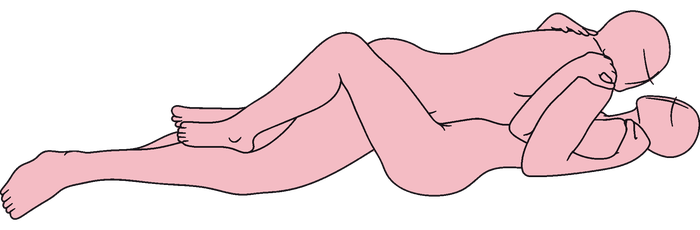
The receiving partner lies back while the other partner lies on top between their legs, face to face — the full-body contact and easy eye contact this whole group is built around. Full entry in the glossary.
- Missionary: the default for a reason — full body contact, easy to kiss, easy to talk through. See our full missionary guide for setup and variations.
- Seated, facing each other: one partner seated, the other straddling — close contact with both partners upright and able to hold each other.
- Elevated spoon: side-lying and slow, good for low-energy intimacy without much movement — full setup in our elevated spoon guide.
Best for intensity
Deeper angles, more movement, and less eye contact tend to define this group — these positions prioritize sensation and pace over closeness.
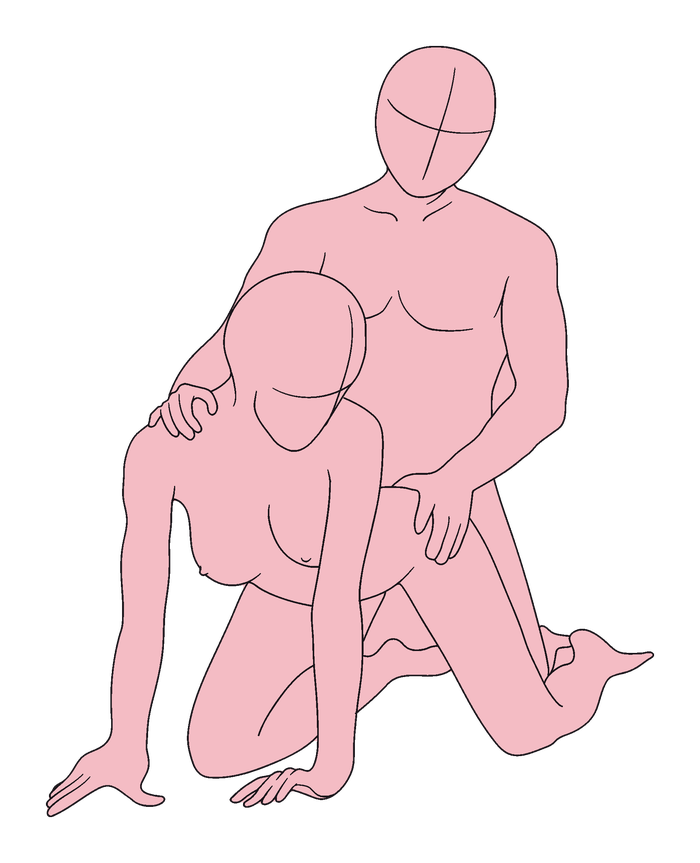
The receiving partner is on hands and knees with the other partner behind — the deep, easily adjusted angle that defines this higher-energy group. Full entry in the glossary.
- Doggy style: a deep, adjustable angle with a lot of room for both partners to control pace and pressure.
- Standing, from behind: higher energy, requires balance and some strength from both partners, delivers a different angle than most seated or lying positions.
- Standing split (supported): more demanding and flexibility-dependent — covered in our yoga-inspired positions guide.
Best for comfort
Low physical demand, minimal balance requirements, and easy to sustain for longer — useful for low-energy days, mobility limitations, or later pregnancy.
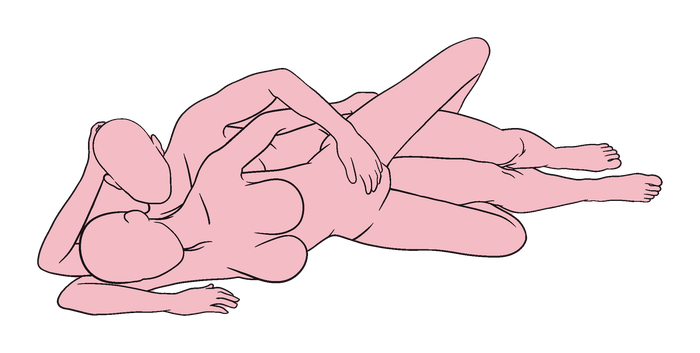
The receiving partner lies back against the other partner, who lies close behind — close to zero physical effort from either partner, which is the point here.
- Side-lying spoon: close to zero physical effort from either partner, works well when energy is low.
- Edge-of-bed: one partner lying with hips at the bed's edge, the other standing — no weight-bearing required from the partner lying down.
- Pillow-supported variations of almost any position reduce physical strain significantly — see how sex pillows and props work for specifics.
How to actually decide, tonight
- Name the goal out loud, even briefly — "I want something slow" or "I want something intense" saves time compared to guessing.
- Match energy level honestly — a high-intensity position on a low-energy night usually disappoints both partners more than picking something comfort-focused instead.
- Treat the choice as adjustable, not fixed — switching mid-session between categories is normal and often improves things rather than "breaking the mood."
A note on communication
The fastest way to find the best position for a given night is to ask, rather than guess or default to habit. If naming preferences out loud feels awkward, our guide to having better sex covers practical ways to bring this kind of thing up without it feeling like a big conversation.
What makes these positions easier
Clove's guides to the props and toys that pair well with the positions on this page.
Get the free Clove starter guide
The easiest positions to try first, lube basics and our tested picks, sent to your inbox. Then one practical guide a week. No spam, unsubscribe anytime.